

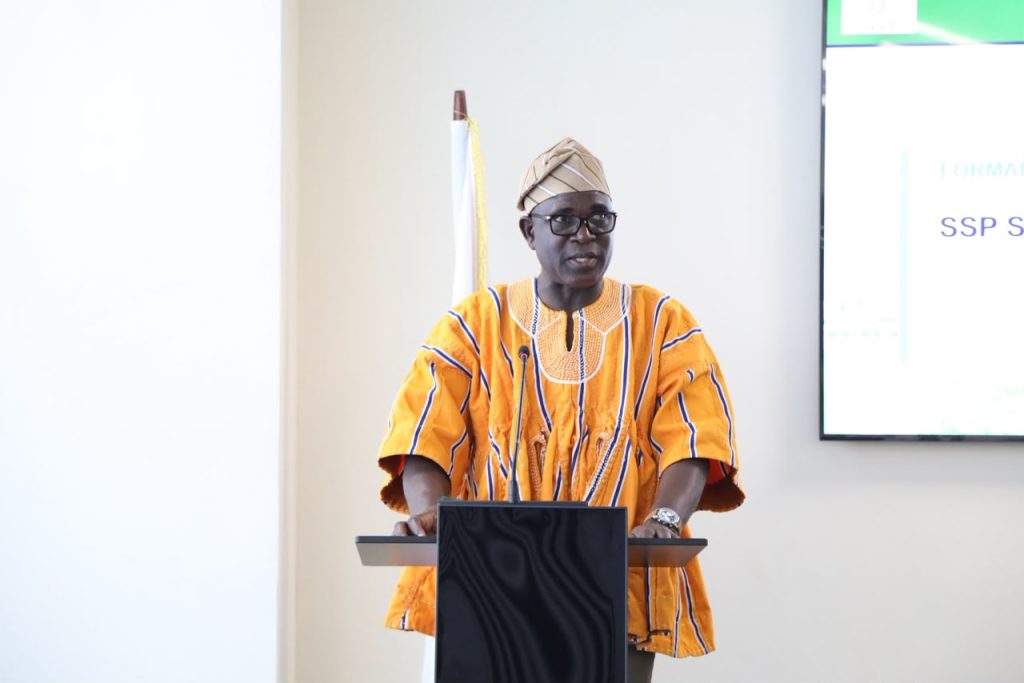
The Commissioner of the Aircraft Accident and Incident Investigation and Prevention Bureau (AIB Ghana), Mr John M. K. Wumborti, has called for stronger institutional collaboration and proactive safety management in the Ghanaian aviation sector.
This according to him, would help enhance aviation safety in Ghana.
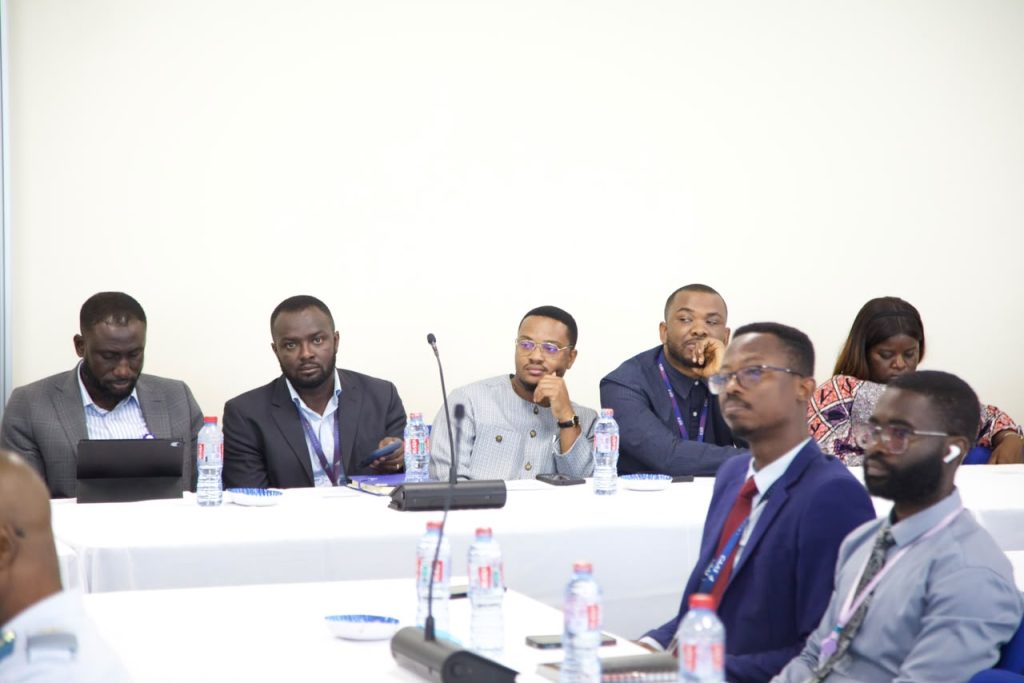
He made the call at the inauguration of three subgroups under the State Safety Programme (SSP), held in Accra on Wednesday, October 28, 2026.
The inaugurated subgroups included the SSP Implementation Team, the Occurrence Classification Team and the National Aviation Safety Plan Team. They are expected to strengthen coordination, improve the consistency of occurrence information and support the identification of national aviation safety priorities.
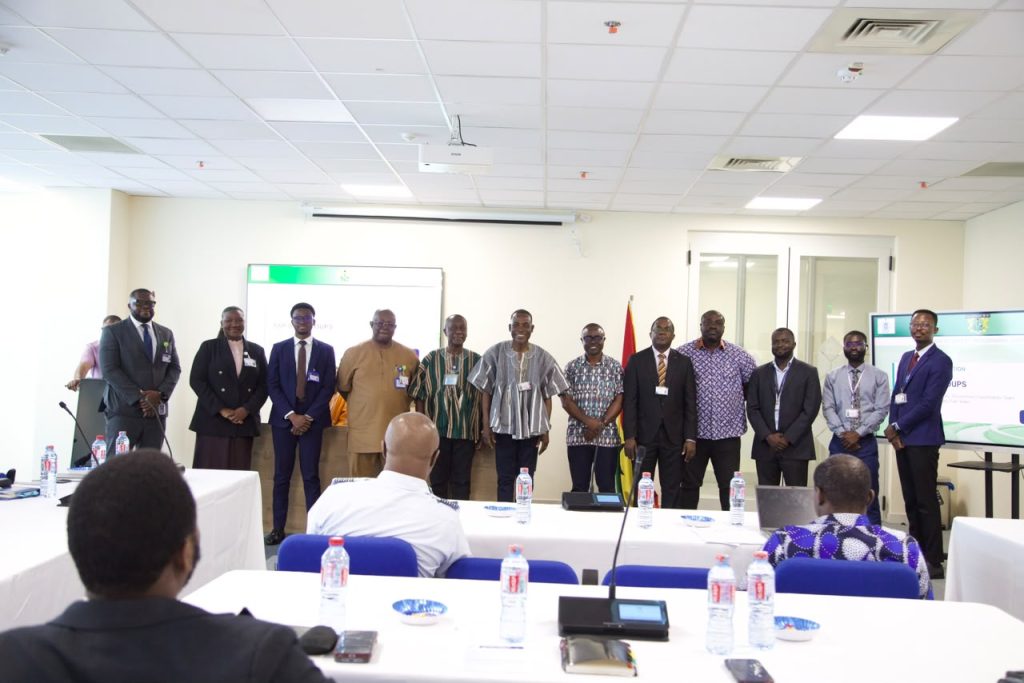
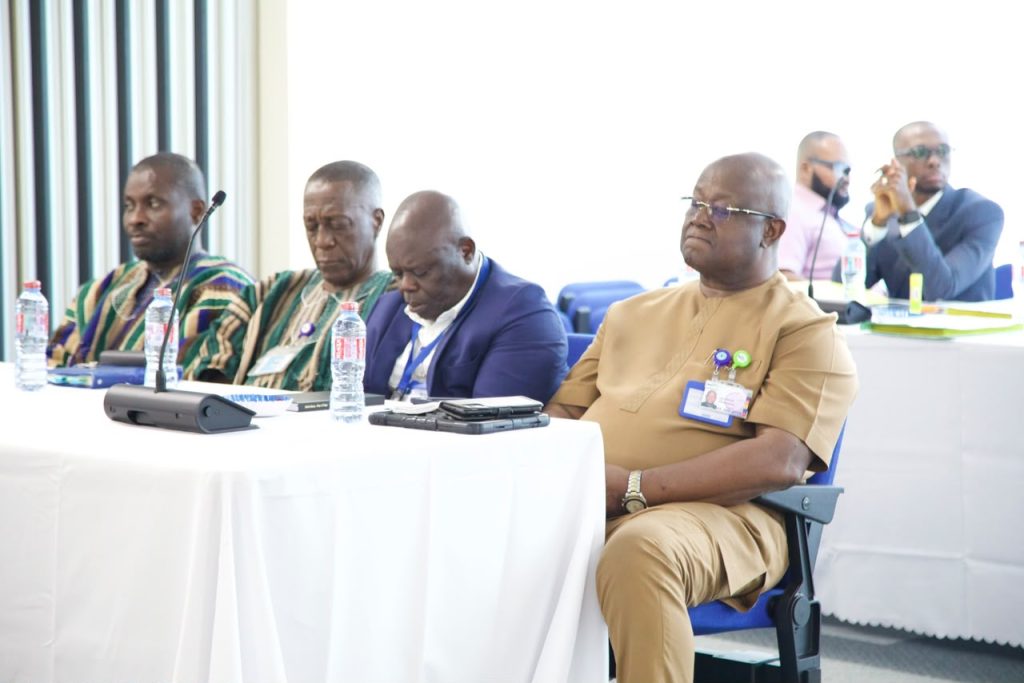
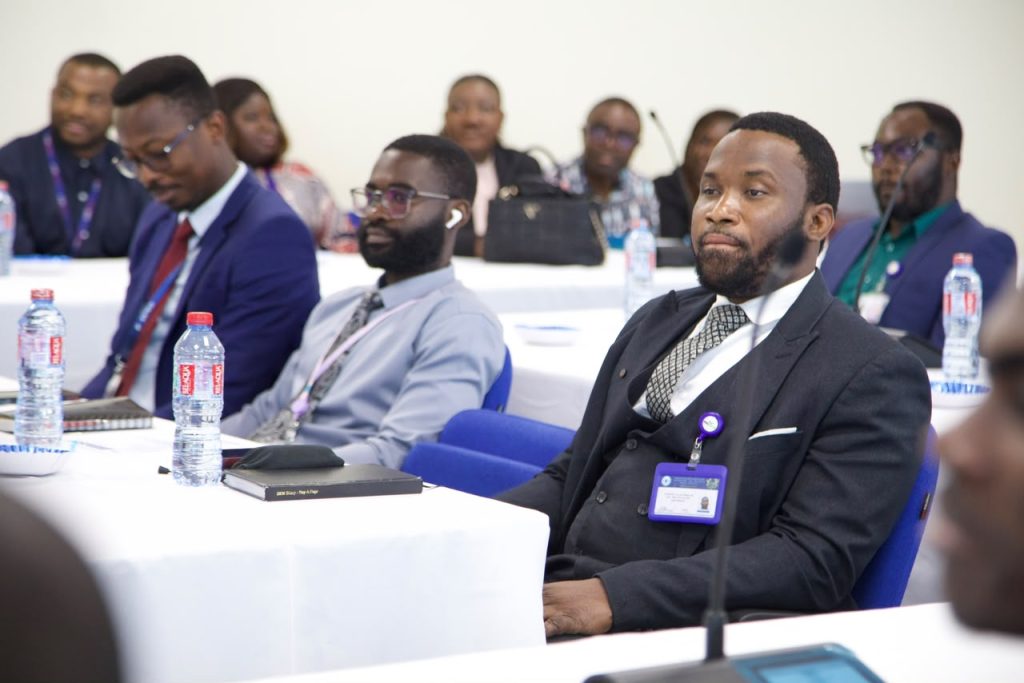
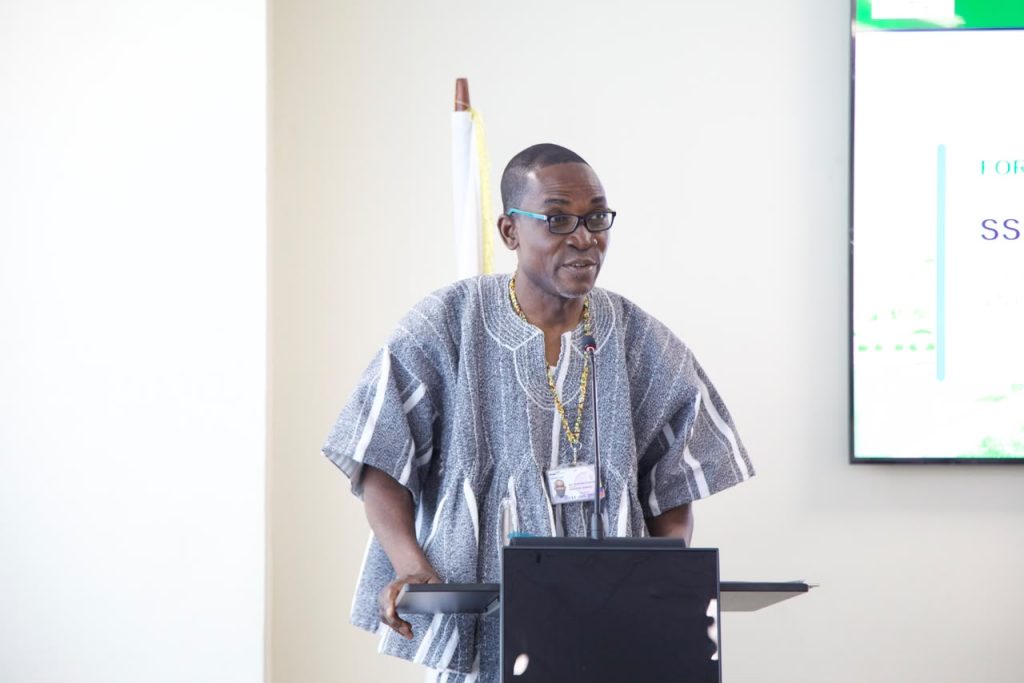
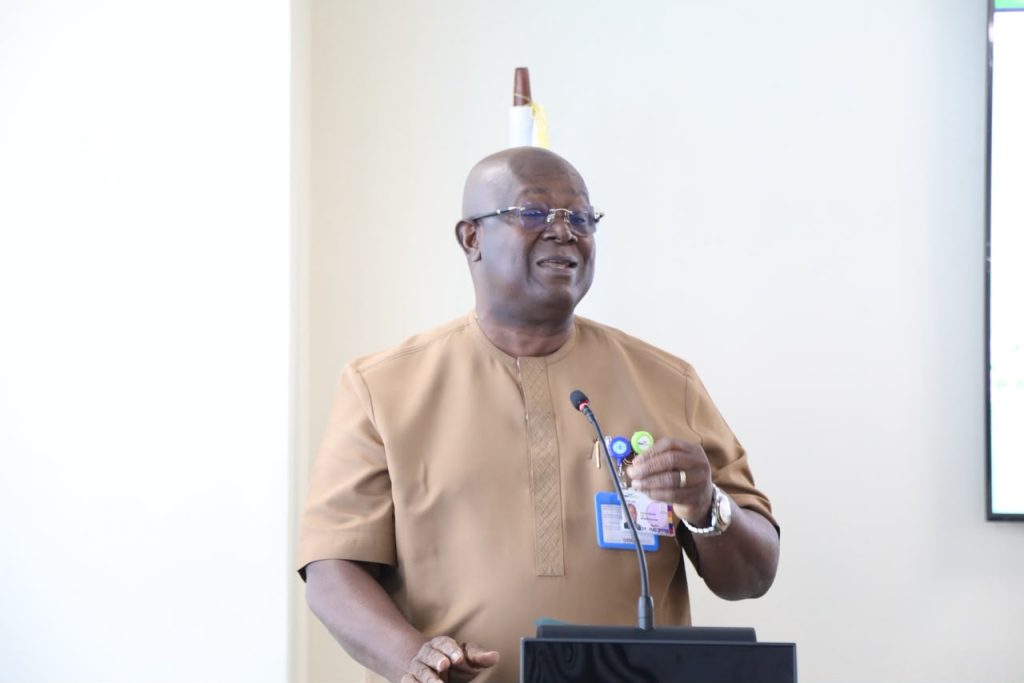
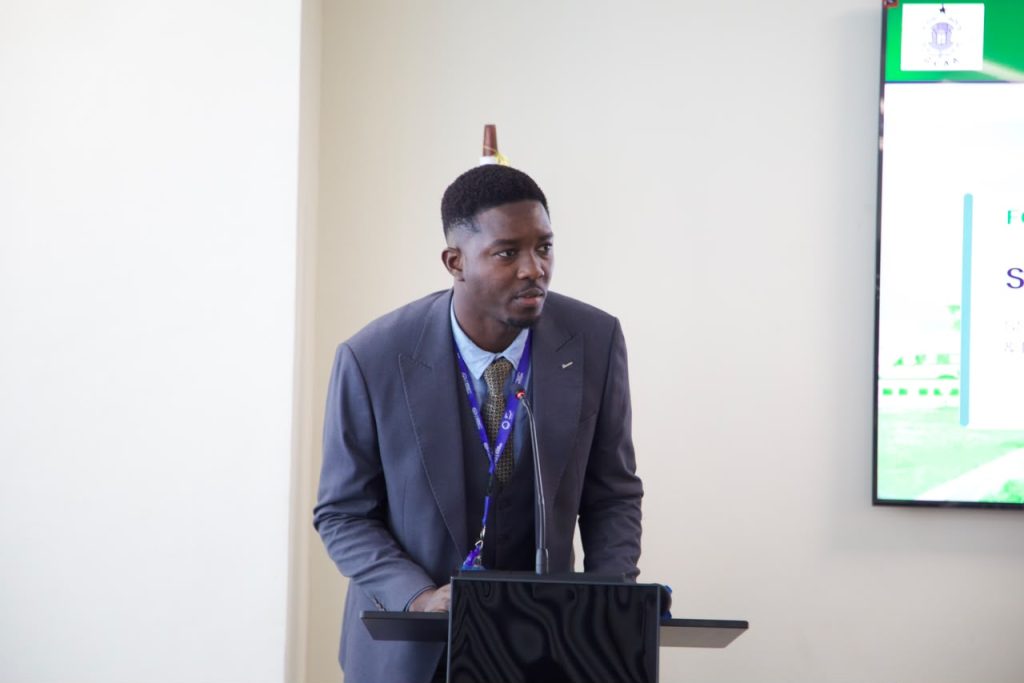
Six AIB Ghana staff members are represented across the three groups, underscoring the Bureau’s commitment to supporting national aviation safety initiatives.
AIB Ghana’s representatives include Mr Eric Ewusie and Mr Mawulolo Alovor on the SSP Implementation Team; Captain Paul Forjoe, Mr Evans Yao Aziafon and Mr Enoch Quashigah on the Occurrence Classification Team; and Captain Paul Forjoe and Mr Rodney Sedinam Narh on the National Aviation Safety Plan Team.
Mr Wumborti emphasised that aviation safety was a shared responsibility requiring effective coordination, reliable safety information and sustained cooperation among institutions with distinct but complementary mandates.
He noted that while responding to aircraft accidents and incidents remained important, the ultimate goal of aviation safety management was to identify potential risks, detect hazards and implement preventive measures before occurrences happened.
He reaffirmed AIB Ghana’s commitment to contributing to this objective through independent safety investigations, the identification of contributing factors and the issuance of safety recommendations to prevent similar occurrences.
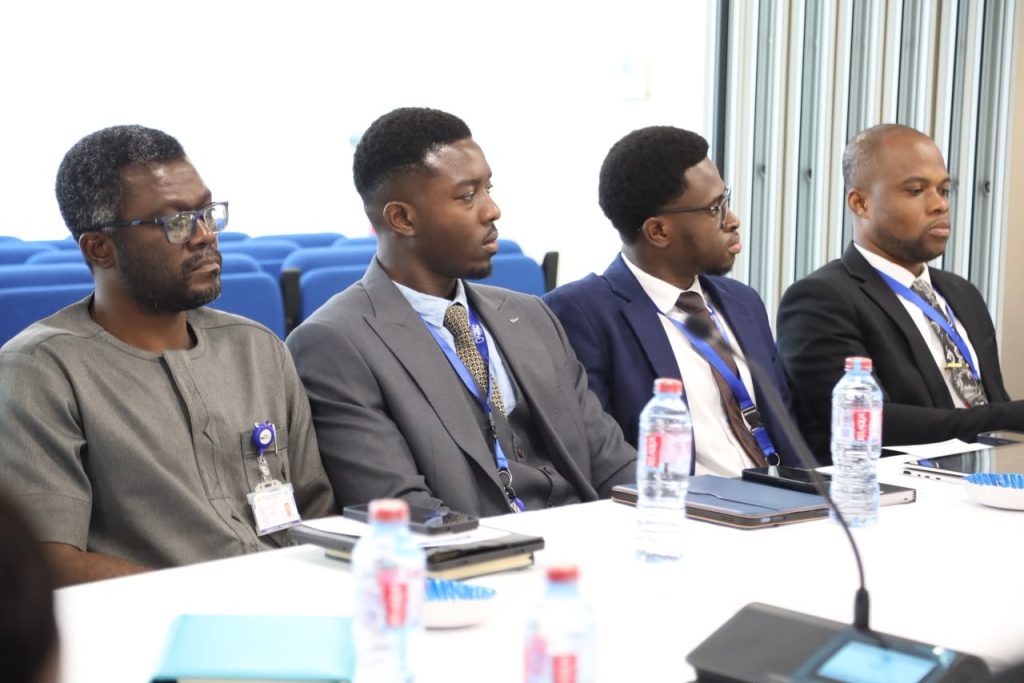
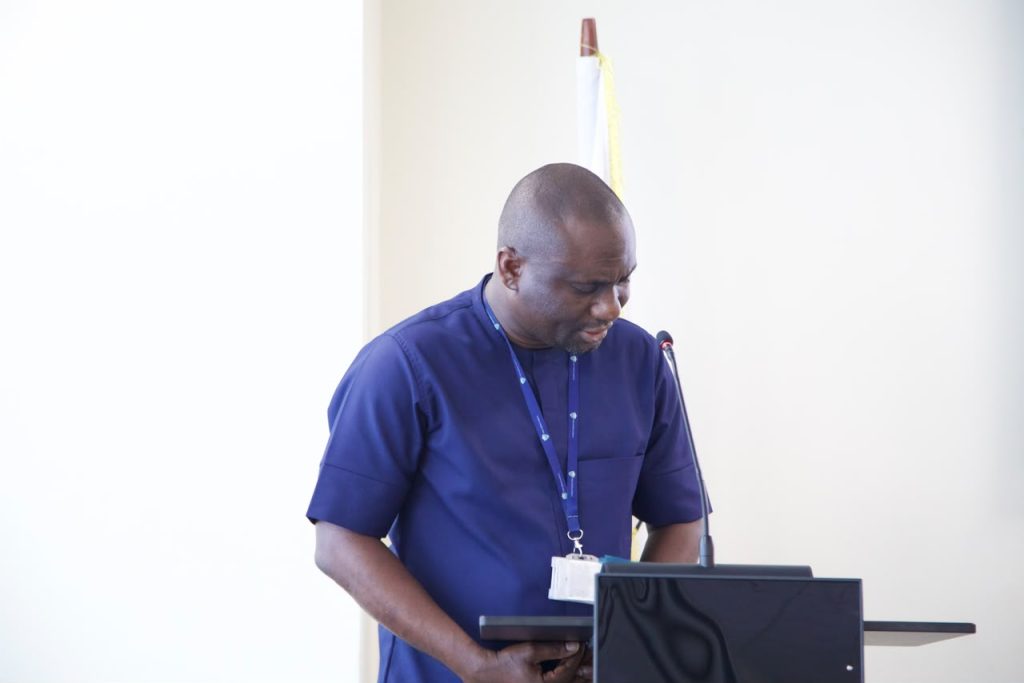
The Commissioner highlighted three key areas for effective collaboration: strengthening safety information sharing and risk identification; translating investigation findings into effective preventive actions; and promoting safety awareness, institutional learning and capacity development.
He further stressed the importance of protecting sensitive safety information while ensuring that relevant investigation findings informed regulatory oversight priorities, safety improvement initiatives and the implementation of the National Aviation Safety Plan.
Mr Wumborti urged members to approach their responsibilities with professionalism, commitment and a shared sense of purpose, noting that the success of the subgroups should be measured by their contribution to timely preventive action and measurable improvements in aviation safety.
He also reaffirmed the Bureau’s commitment to working closely with the Ghana Civil Aviation Authority (GCAA) and other relevant state institutions while preserving the independence and integrity of its statutory investigation functions.