


The Aircraft Accident and Incident Investigation and Prevention Bureau (AIB Ghana) has marked its fifth anniversary with a high-level stakeholder engagement, where industry players underscored the need for sustainable funding, and stronger legislative backing to safeguard Ghana’s aviation safety system.
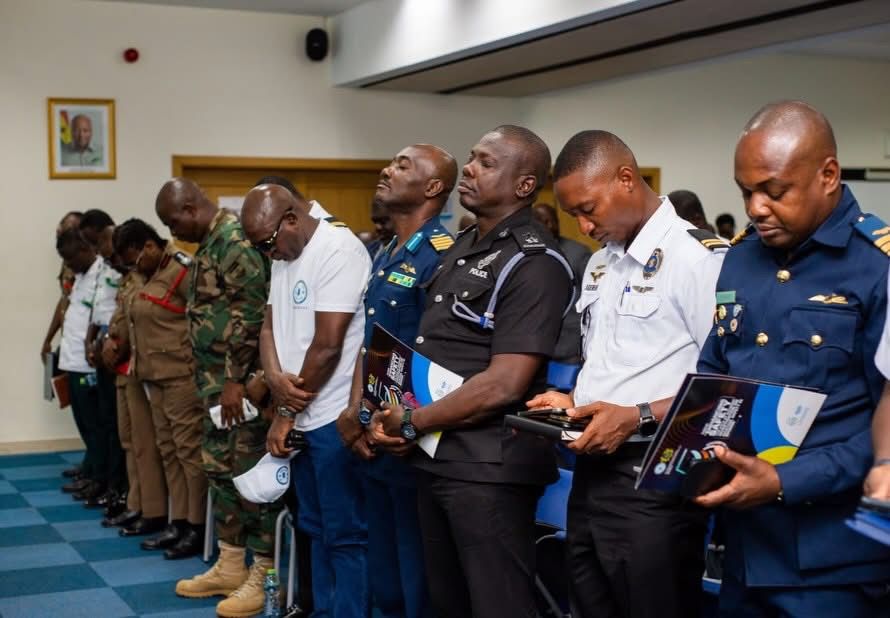
The panel discussion, held under the theme “Five Years of Enhancing Safety: The Role of Accident Investigation in Aviation Safety in Ghana,” brought together aviation professionals, regulators and engineers to reflect on the Bureau’s achievements, challenges and future priorities.
A retired pilot and senior aviation engineer, Captain Paul Forjoe, described AIB’s performance over the past five years as “nothing short of magic,” achieved through prudent management of limited resources.
However, he cautioned that the Bureau remains “totally underfunded” and is operating below the level required under international aviation conventions to which Ghana is a signatory.
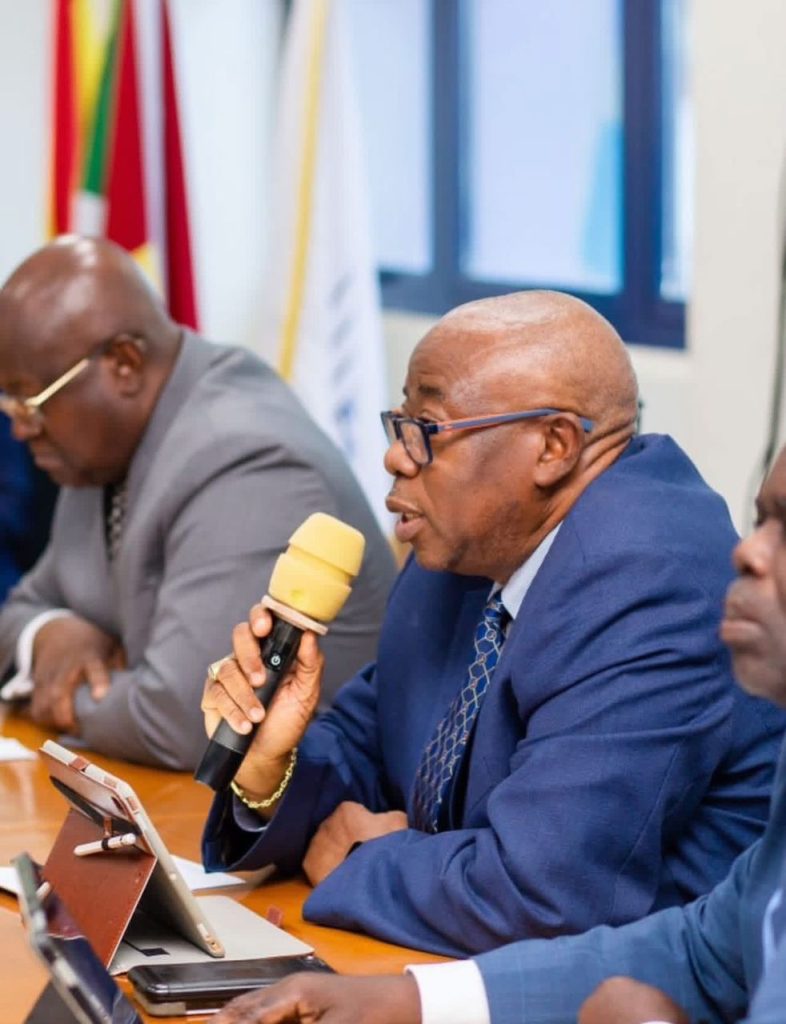

According to Capt. Forjoe, the current funding arrangement does not adequately reflect Ghana’s obligations under global aviation safety standards, raising concerns about the long-term sustainability of aviation safety oversight in the country.
“We have signed on to these conventions as a country, yet we do not have the necessary framework in our laws to back them,” he stated, calling for a national policy supported by legislation to guarantee immediate funding in the event of a major aircraft accident, including resources for investigations and assistance to victims and their families.
He further advocated the establishment of a standing committee to strengthen collaboration between AIB and the Ghana Civil Aviation Authority (GCAA), explaining that a structured review mechanism would help integrate safety recommendations more effectively into regulatory oversight.
Other panellists highlighted the growing impact of accident investigation outcomes on Ghana’s aviation safety architecture.
A retired pilot, Captain Samuel Thompson, explained that investigation reports often generate safety recommendations which enable regulators to identify gaps in directives and enhance surveillance activities. He noted that data from accident and occurrence reports now inform Ghana’s National Aviation Safety Plan, updated biennially, allowing authorities to detect trends early and implement mitigation measures before incidents escalate into major accidents.



Captain Thompson stressed the importance of continuous training as aviation systems evolve, indicating that sophisticated equipment is of little value without skilled personnel capable of interpreting complex data, including flight data recorder information. He welcomed ongoing collaborations with Cranfield University and AIB Nigeria, emphasising that sustained capacity building, particularly for young investigators, must remain a priority.
An Airworthiness Engineer at the GCAA, Mr Eric Ewusie, underscored the importance of ensuring that safety recommendations translate into concrete corrective actions across the aviation system. He noted that investigation outcomes are only meaningful when implementation is strengthened through effective follow-up and collaboration.
The panel also reflected on notable milestones achieved over the past five years, including enhanced cooperation between AIB and GCAA at leadership level. A key example cited was the data-driven response to frequent bird strike incidents at Kumasi Airport. Analysis of occurrence reports revealed a consistent pattern within a specific evening time window, prompting an operational decision to temporarily close the airport during high-risk hours. The measure resulted in a significant reduction in bird strike incidents, demonstrating how timely data analysis can prevent potential accidents without requiring a full-scale investigation.
Participants, however, expressed concern about poor reporting culture, bureaucratic delays and instances where evidence is destroyed before investigators arrive at accident scenes.
In his remarks, the Commissioner of AIB, Mr John Wunborti, reaffirmed that confidentiality remains the cornerstone of aviation accident investigation. He cautioned that breaches of confidentiality could have serious legal consequences and assured stakeholders that voluntary reports submitted to the Bureau are treated with the strictest confidence.
He encouraged stakeholders to refrain from public disclosure of sensitive information, noting that premature releases often create unnecessary fear or mistrust.
Mr Wunborti further announced plans to formally engage relevant agencies to establish a stronger collaborative platform aimed at promoting voluntary reporting, which he described as critical to effective and independent investigations.
He also reiterated AIB’s commitment to continuous training and capacity building, stressing that future programmes would involve all stakeholders to promote shared learning and improved safety outcomes.
As AIB commemorates five years of operations, the Bureau remains committed to strengthening aviation safety through independent investigations, enhanced stakeholder collaboration and sustained capacity development, while advocating the necessary legislative and financial frameworks to ensure long-term sustainability.