


The Aircraft Accident and Incident Investigation Bureau (AIB Ghana) has officially released its final report on the March 16, 2026 microlight aircraft accident at Tema Community One, reaffirming its commitment to aviation safety, transparency, and accident prevention in Ghana’s airspace.
The report concluded that the fatal accident involving microlight aircraft registration 9G-ADV was caused by an engine failure resulting from overheating during the aircraft’s return flight from Ho to Accra. The aircraft crashed within the premises of the TMA Day Care Centre near the Oninku Drive Basic School, claiming the lives of the two occupants on board. Fortunately, no casualties were recorded on the ground.
Presenting the findings at a press briefing on Tuesday, Investigator-in-Charge, Captain Paul Forjoe, explained that evidence gathered during the investigation pointed to a history of engine overheating and unresolved mechanical concerns prior to the accident.
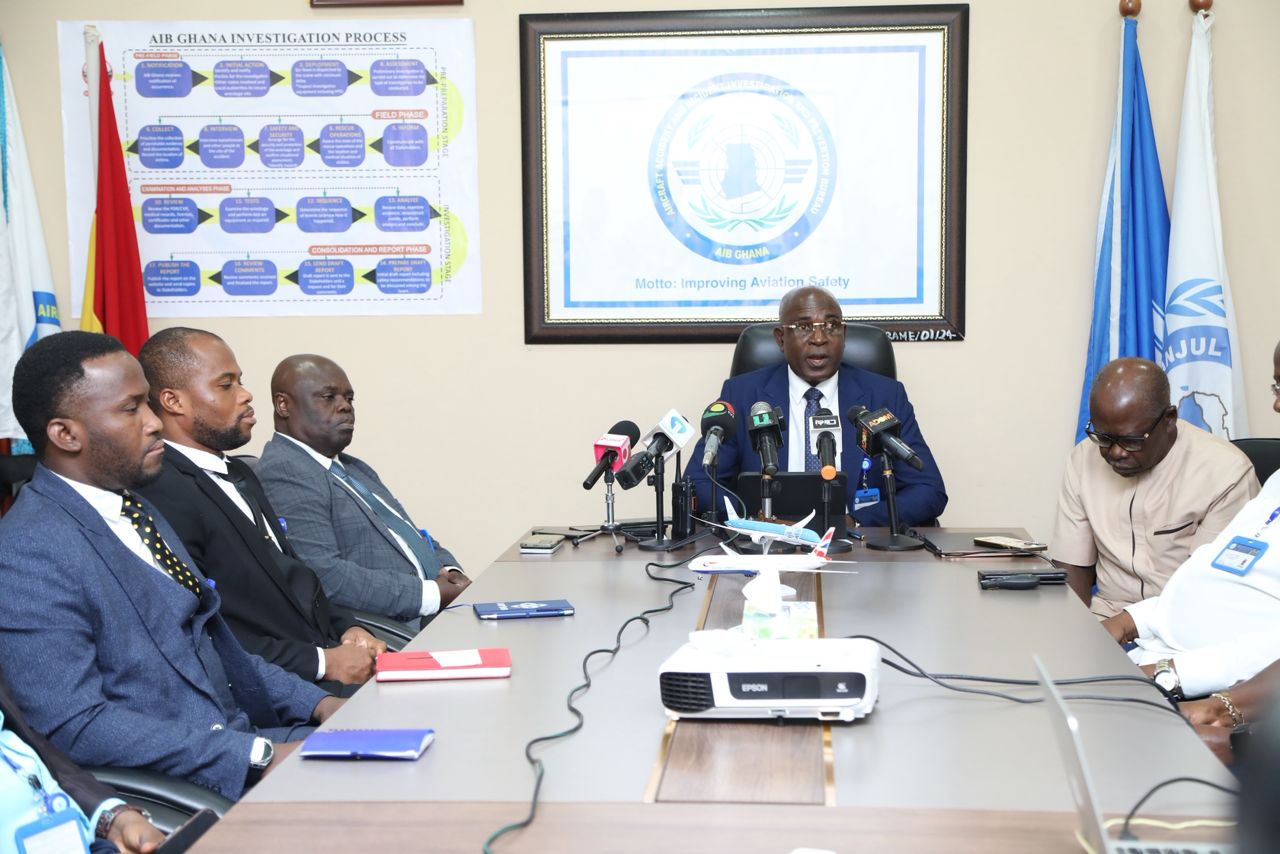


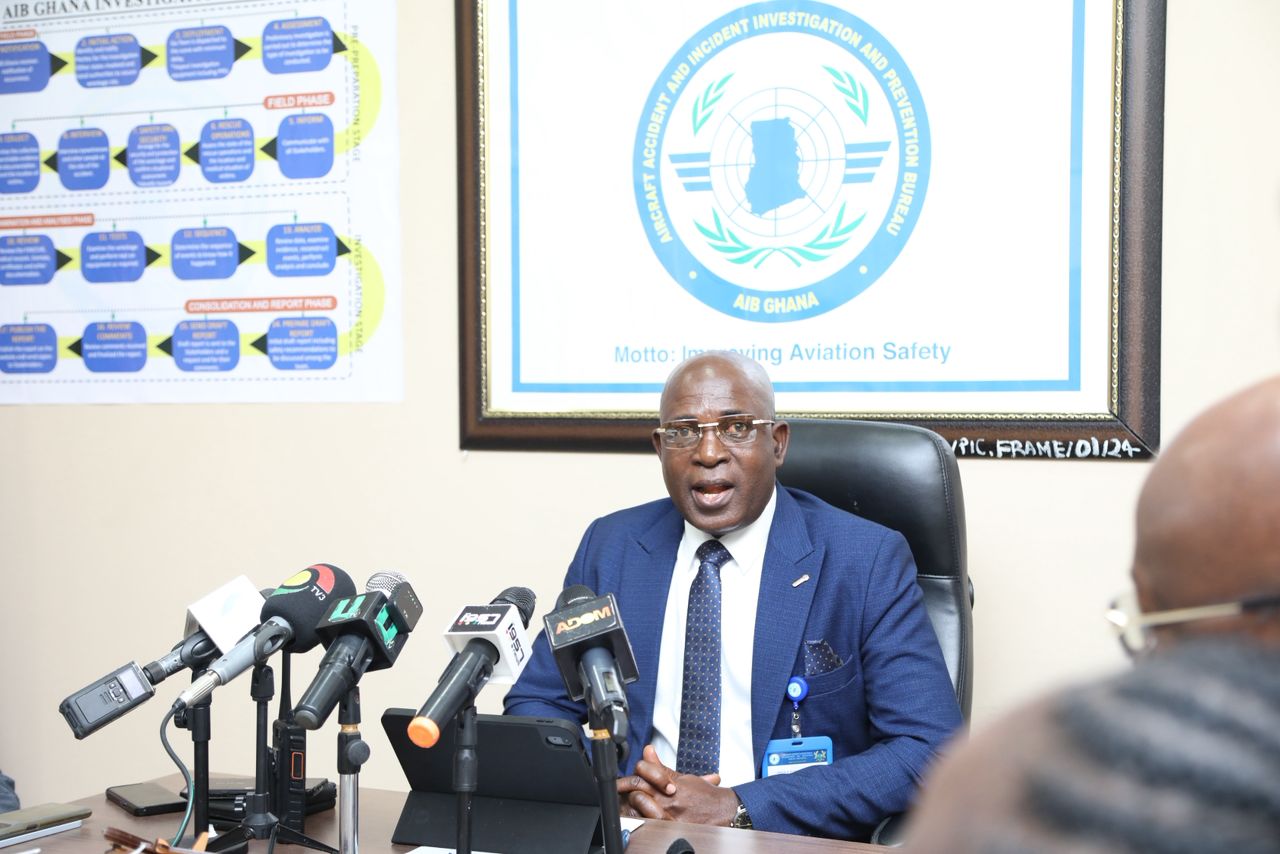
According to him, the aircraft experienced engine failure at a low altitude, leaving the pilot with limited opportunity to identify and execute a safe emergency landing.
“The investigation established that the aircraft most likely suffered an engine failure due to overheating at a stage of the flight where the pilot could not secure a suitable landing area,” Captain Forjoe stated.
The report identified a number of contributory factors, including inadequate response to earlier engine abnormalities, operational non-compliance, and distractions arising from the pilot’s use of a personal mobile phone during critical phases of the flight.
Investigators further established that all three flights conducted from Ho Airport on the day of the occurrence were undertaken without valid operational permits. The report also revealed that although the pilot was qualified and licensed, he operated the aircraft from the rear seat while non-pilots occupied the front pilot seat, contrary to permit conditions.
AIB Ghana’s investigation additionally found gaps in maintenance oversight, including the absence of a nominated maintenance facility and missing maintenance records covering several flights undertaken before the accident.
The report noted that warning signs had emerged earlier in the day, including visible white smoke from the engine after a local flight at Ho. However, no documented maintenance action was taken before the aircraft proceeded on its final journey to Accra.
Investigators also disclosed that the pilot had transmitted a photograph of the cockpit instrument panel indicating engine overheating approximately 25 minutes before the crash, suggesting awareness of the developing technical problem.
Despite the emergency situation, no distress call or emergency declaration was made to air traffic control before the accident occurred.
Witness accounts indicated that the pilot attempted to direct children away from the nearby school park in preparation for an emergency landing. However, the signal was misunderstood, forcing the pilot to abandon the landing attempt before the aircraft crashed and caught fire within the daycare centre compound.
As part of its mandate to improve aviation safety, AIB Ghana issued several safety recommendations aimed at strengthening oversight within the general aviation sector. These include enhanced monitoring of permit compliance by the Ghana Civil Aviation Authority, improved communication of permit conditions to airport managers and air traffic controllers, and stricter adherence to operational requirements by aircraft operators.
The Bureau also reminded air traffic controllers of their statutory obligation to promptly notify AIB Ghana in the event of aircraft accidents and serious incidents.
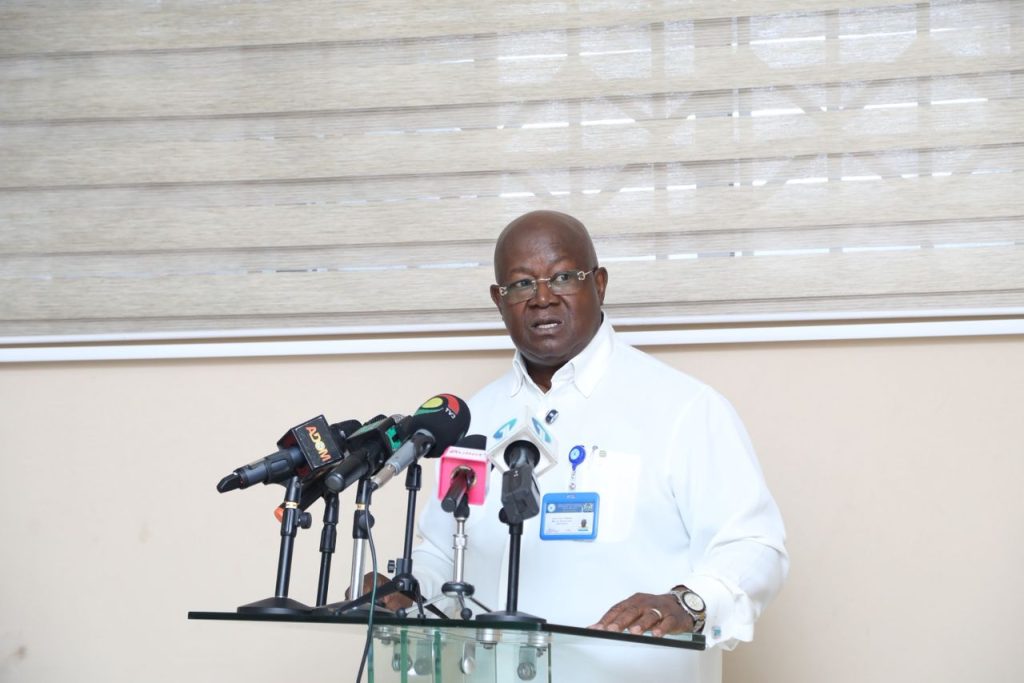
Commissioner of AIB Ghana, Mr John Wumborti, reaffirmed the Bureau’s resolve to advance aviation safety standards and prevent future occurrences through thorough investigations and proactive safety interventions.
“AIB Ghana has the capacity and expertise to conduct comprehensive investigations. Beyond investigations, we are intensifying preventive measures to ensure that Ghana’s airspace remains safe and secure,” he stated.
The release of the final report underscores AIB Ghana’s continued dedication to promoting accountability, strengthening aviation safety systems, and safeguarding public confidence in the country’s aviation industry